What Is Real Estate Mediation and Why Does It Matter?
Real estate transactions are rarely simple. When disputes arise — between buyers and sellers, co-owners, divorcing spouses, or heirs to an estate — they can bring a sale to a grinding halt and result in costly litigation that drains resources and damages relationships. Real estate mediation Central Valley services offer a better, faster, and far less expensive path forward.
Rather than battling in court, mediation brings disputing parties together with a neutral, trained mediator who facilitates communication, identifies common ground, and guides the parties toward a mutually acceptable resolution. The process is confidential, voluntary, and significantly faster and less expensive than litigation. And unlike a court judgment, a mediated agreement is crafted by the parties themselves — which means they are far more likely to honor it willingly and completely.
Laura Goldsmith is one of the Central Valley’s most uniquely qualified professionals for this role. She is both a licensed Real Estate Broker with over eight years of transaction experience and a trained mediator. That combination is rare — and exceptionally valuable when a property dispute is derailing a sale, an estate, a business partnership, or a family relationship that matters deeply to the people involved.
Common Disputes That Benefit from Real Estate Mediation
Divorce and Property Division
Divorce proceedings frequently involve real estate — often the couple’s most significant shared asset. Disputes over whether to sell, how to price the property, who receives what from the proceeds, and how to handle outstanding mortgage obligations can be emotionally charged and legally complex. Without skilled intervention, these disputes can delay a sale for months or years, costing both parties significantly in carrying costs, legal fees, and emotional toll.
Laura has extensive experience serving as a neutral mediator in divorce-related property situations, helping both parties reach agreements that allow the sale to proceed smoothly, preserve maximum value, and reduce the emotional and financial cost of prolonged conflict. Her real estate expertise means she can speak directly to market realities — cutting through emotion with objective data that both parties can build agreement around.
Probate and Inherited Property Disputes
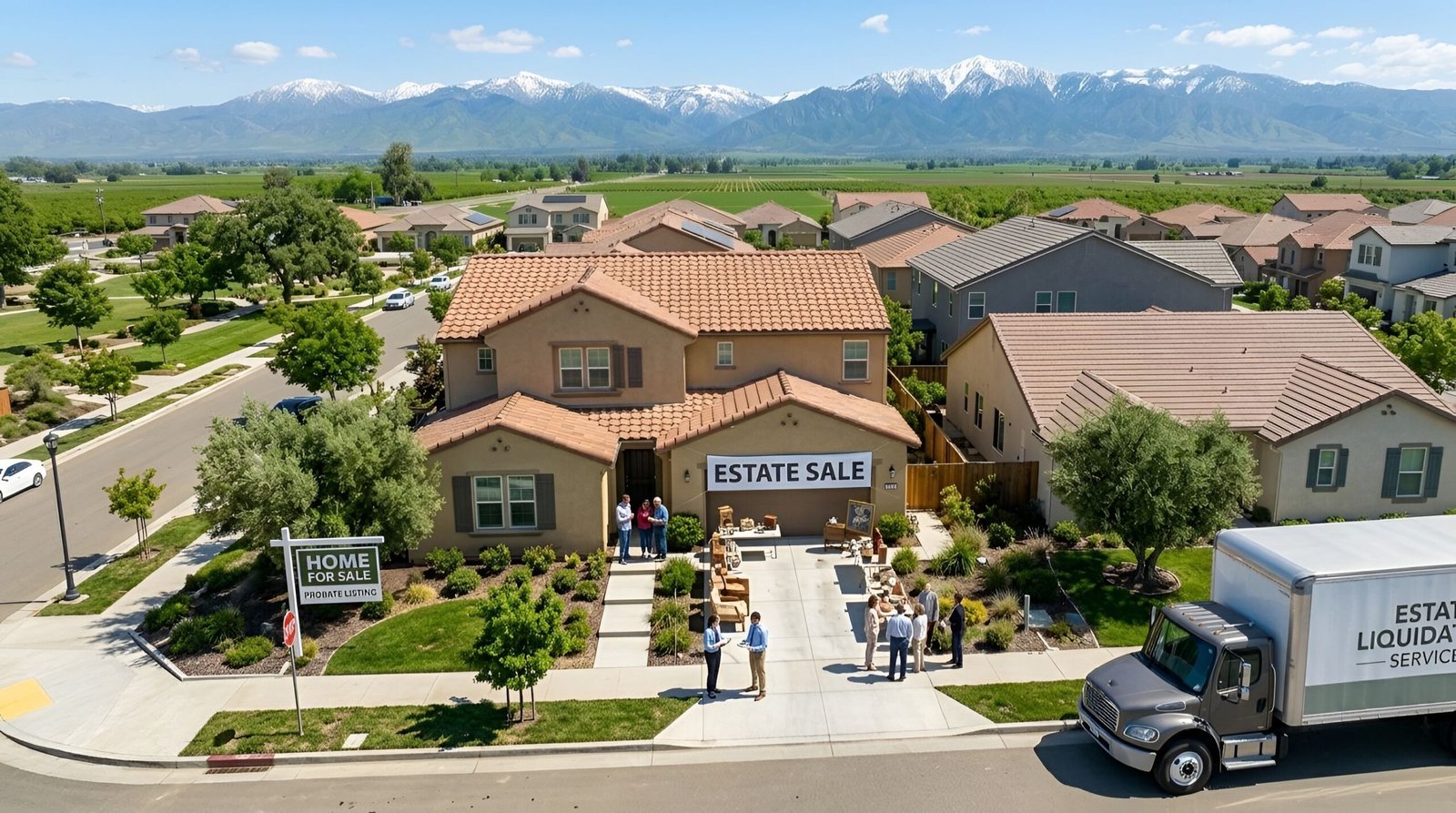
When a family member passes away and leaves real estate to multiple heirs, disagreements over property value, whether to sell or retain the property, condition investment decisions, and proceeds distribution are extremely common. Without skilled intervention, these disputes can delay probate for years and permanently damage family relationships. Real estate mediation Central Valley services allow heirs to work through differences in a structured, facilitated environment — often reaching resolution in a fraction of the time and cost of litigation.
Buyer-Seller Contract Disputes
Failed escrows, inspection disputes, earnest money disagreements, contract interpretation conflicts, and disclosure disputes are all situations where a neutral mediator can help parties find resolution without resorting to lawsuits. Many California real estate purchase agreements include a mediation clause that requires parties to attempt mediation before pursuing legal action — making Laura’s services directly relevant to buyers and sellers facing contract disputes throughout the Central Valley.
Co-Ownership Conflicts
Whether the co-owners are business partners, family members, former romantic partners, or investors with differing visions, disagreements between property co-owners can make management, sale, or refinancing impossible without third-party help. Laura’s neutral position and real estate expertise allow her to facilitate productive conversations that move stuck co-ownership situations toward workable resolution.
Landlord-Tenant and Property Management Disputes
Disputes between landlords and tenants involving security deposits, lease terms, maintenance obligations, or early termination can also benefit from mediation. Rather than escalating to formal legal proceedings, a mediated resolution can preserve the landlord-tenant relationship or facilitate a clean, agreed-upon separation that protects both parties’ interests and avoids costly court filings.
How the Mediation Process Works
Initial Private Consultation
Laura begins with a private consultation with each party — separately — to understand their position, concerns, priorities, and underlying goals. This confidential intake process allows each party to speak freely without the other present, helping Laura identify the core issues beneath the stated positions and structure a joint session that is efficient, balanced, and productive.
Joint Mediation Session
In a joint session, Laura facilitates structured communication between the parties using established mediation techniques. Her role is not to take sides, render judgment, or impose a solution — it is to help each party understand the other’s perspective, identify areas of potential agreement, and move from entrenched positions toward workable solutions that both parties can accept.
Private Caucuses When Needed
When direct communication becomes too charged or unproductive, Laura conducts private caucuses — separate sessions with each party — to explore settlement options candidly without the pressure of the other party being present. These private sessions often unlock movement in situations that appear completely deadlocked in joint session, creating space for candid problem-solving.
Written Agreement and Documentation
Once an agreement is reached, the terms are documented in writing. This written mediation agreement can then be incorporated into the relevant legal documents — purchase agreement, divorce decree, probate filing, or co-ownership agreement — to ensure enforceability. Laura works closely with the parties’ attorneys to ensure the agreement is properly documented and legally sound.
The Advantages of Mediation Over Litigation
- Faster resolution — mediation typically concludes in days or weeks, not months or years
- Dramatically lower cost — a fraction of the legal fees associated with contested litigation
- Fully confidential — mediation sessions and outcomes are private, unlike court proceedings
- Preserves relationships — the collaborative process reduces adversarial damage between parties
- Party-controlled outcomes — parties craft their own agreement rather than having a judge decide
- Higher compliance rates — parties who help create the agreement are far more likely to honor it
- Flexible solutions — mediation can produce creative, customized agreements courts cannot order
Why Laura Goldsmith’s Dual Expertise Is a Game-Changer
Most mediators lack deep real estate expertise. Most real estate brokers lack mediation training. Laura brings both — which means she can facilitate not just the interpersonal resolution between disputing parties, but also the practical real estate transaction that follows the agreement. She understands market values, contract language, escrow processes, disclosure requirements, and financing constraints — knowledge that makes her mediation sessions more efficient and the resulting agreements more practical and enforceable.
When mediating a disagreement over a property’s listing price, Laura does not just facilitate discussion — she presents objective market data that both parties can understand and accept. When mediating escrow disputes, she understands the legal requirements and practical realities of each party’s position. This deep contextual knowledge dramatically shortens the path to resolution and produces agreements that hold up in the real world.
Serving the Entire Central Valley
Laura’s real estate mediation Central Valley services are available throughout the region, including Hanford, Fresno, Lemoore, Armona, Corcoran, and Clovis, as well as surrounding Kings County and Fresno County communities. Her office is based in Hanford at 106 E 7th St, and she accommodates both in-person and remote mediation sessions depending on the parties’ needs and locations.
Her availability and responsiveness are key differentiators — property disputes often have time-sensitive implications, and delays in accessing a mediator can allow situations to escalate unnecessarily. Laura works with the urgency that real estate timelines demand, making herself available when her clients need her most.
Frequently Asked Questions: Real Estate Mediation Central Valley
Q: Is real estate mediation legally binding?
The mediation process itself is voluntary, but agreements reached in mediation and documented in a written settlement agreement can be made legally binding when incorporated into the appropriate legal documents. Many California real estate contracts include mandatory mediation clauses that require parties to attempt mediation before filing lawsuits.
Q: How much does real estate mediation cost?
Mediation is significantly less expensive than litigation. Contact Laura directly for current rates — they are typically structured as a flat session fee or hourly rate, and the total cost is generally a small fraction of what contested litigation would cost both parties combined.
Q: Can mediation help with a failed escrow?
Yes. Failed escrow situations — including disputes over earnest money deposits, inspection contingencies, appraisal gaps, and contract compliance — are well-suited to mediation and are among the most common situations Laura handles in her Central Valley practice.
Q: Do both parties have to agree to mediation?
Mediation is voluntary unless required by contract. Many California real estate purchase agreements include mediation clauses that obligate parties to attempt mediation before pursuing litigation. Laura can review your contract to determine what dispute resolution requirements apply to your specific situation.
Q: Can Laura represent both parties in a mediation?
In her capacity as mediator, Laura serves as a neutral party — she does not represent or advocate for either side. Her role is to facilitate agreement. If the mediation results in a property sale or purchase transaction, she can then assist with the real estate side of the process separately.
Facing a property dispute in the Central Valley? Don’t let it drag into costly litigation. Contact Laura Goldsmith at 559-589-5730 or lauragoldsmithre.com to discuss how professional real estate mediation Central Valley services can move you toward resolution — faster, cheaper, and with far less conflict.