If you’re receiving orders to Naval Air Station (NAS) Lemoore, deciding where to live is one of the biggest parts of planning your move. For military members and their families relocating to NAS Lemoore near Lemoore, California, two common options are buying a home in the local community or applying for on-base housing. Both can work well, but the right choice depends on your assignment length, household budget, family needs, and plans for your next permanent change of station (PCS).
Buying a home near NAS Lemoore can offer more control over your living space and the opportunity to build equity over time. On-base housing, meanwhile, may offer a different level of convenience and fewer responsibilities for certain maintenance tasks, depending on the housing arrangement. Neither option is automatically less expensive or better for every military household.
Before making a decision, compare the complete financial picture rather than focusing on a single monthly payment. Consider your Basic Allowance for Housing (BAH), potential mortgage costs, utilities, insurance, maintenance, housing availability, and how easily you may need to relocate again. You should also evaluate the lifestyle you want outside work, including access to schools, shopping, recreation, and support networks.
This guide explains how to compare buying a home in Lemoore, CA, with on-base housing at NAS Lemoore so you can make a more informed decision for your next assignment.
Buying a Home Near NAS Lemoore vs. Choosing On-Base Housing
The first step is understanding what each housing option involves. Buying a home and living in military housing can both provide stability, but they come with different financial obligations, levels of flexibility, and responsibilities.
What to Know About Buying a Home in Lemoore, CA
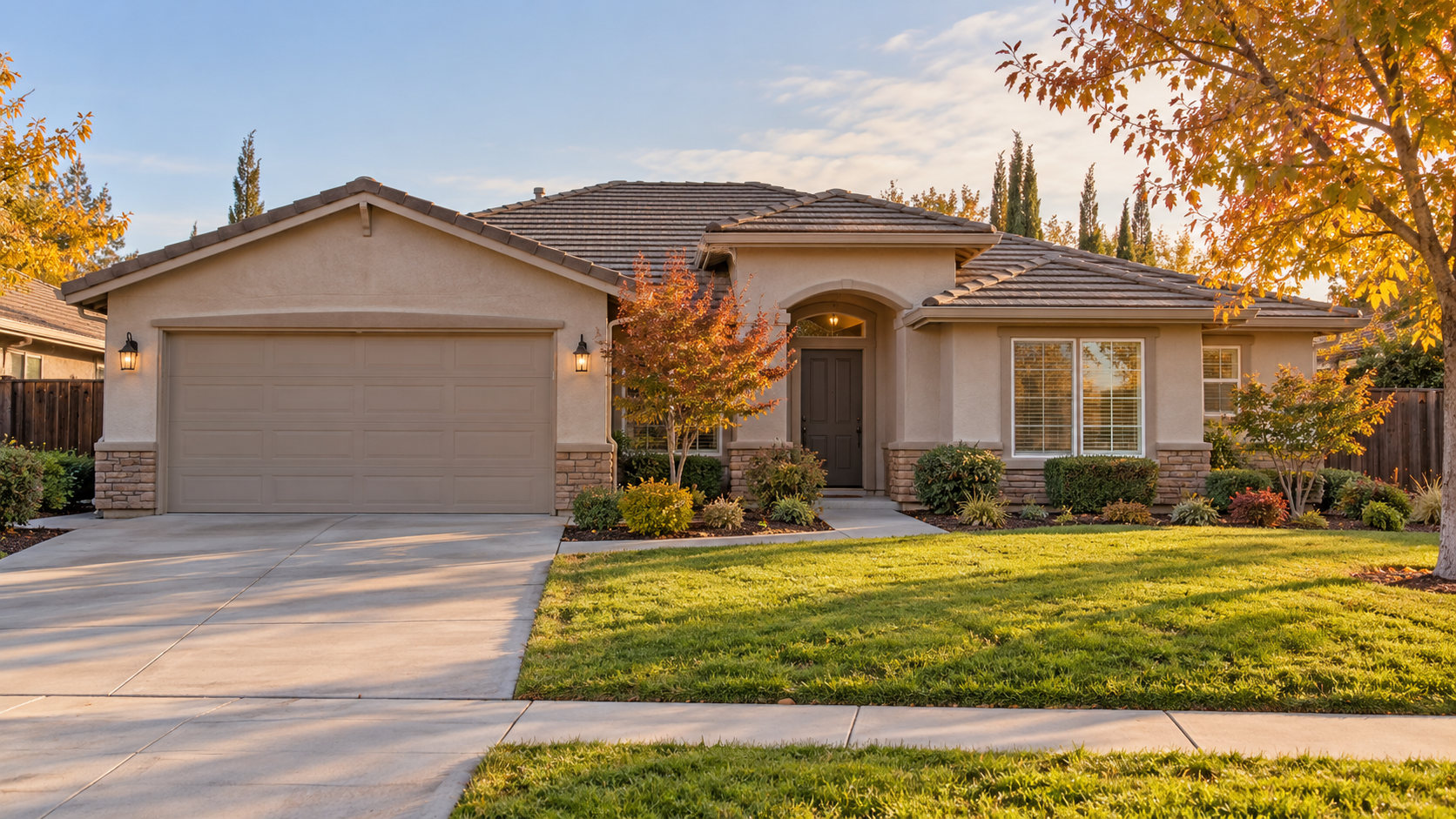
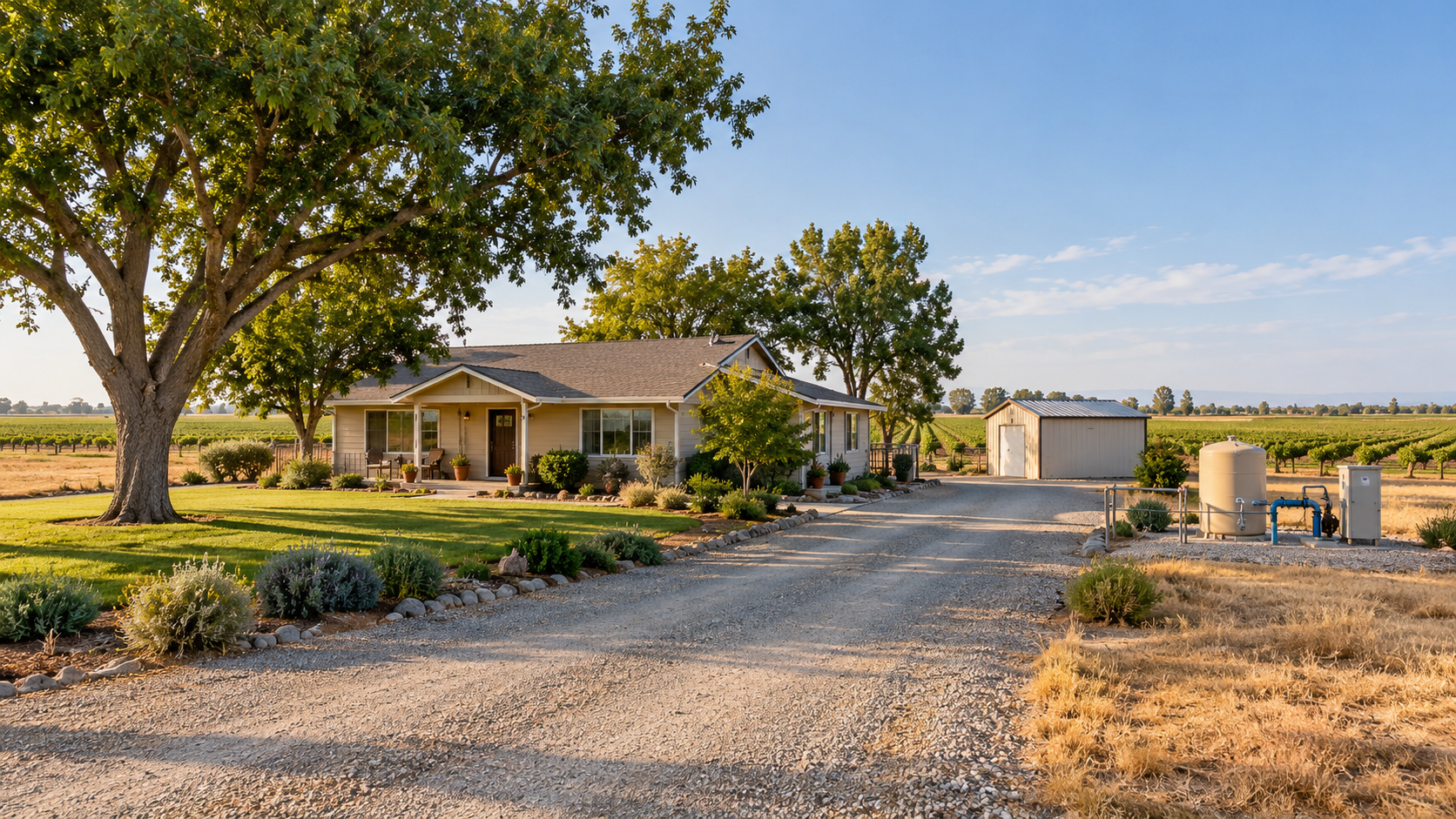
Purchasing a home in Lemoore may appeal to military households that want more control over their living environment. Depending on the available properties and your budget, you may be able to choose a single-family home, a property with a particular layout, or a home with outdoor space that fits your household.
Homeownership can also create an opportunity to build equity. As you pay down your mortgage, you may increase the amount of the property you own outright. If the property appreciates, that may add to your equity, although appreciation is never guaranteed. Property values can fall, and selling a home involves costs that may reduce or eliminate a potential gain.
Buying also means accepting responsibility for the property. In addition to the mortgage payment, you may need to budget for property taxes, homeowners insurance, utilities, repairs, routine maintenance, and any applicable homeowners association fees. Some costs can be unpredictable, especially if a major system needs repair.
For military families, the most important question is often how long you expect to remain in the area. A home purchase may make more financial sense when you have a sufficiently long time horizon, but there is no universal minimum number of years that guarantees a good outcome. Closing costs, interest rates, future sale costs, rent potential, and changes in the market all affect the calculation.
What to Know About On-Base Housing at NAS Lemoore
On-base housing may be attractive to eligible service members who prioritize convenience and a housing arrangement connected to their military assignment. Depending on the specific home and program, the arrangement may reduce some of the maintenance responsibilities associated with owning a property.
However, on-base housing is not necessarily available immediately or in every configuration a household wants. Eligibility, assignment procedures, waiting lists, occupancy rules, and housing policies can change. Your family size, status, and circumstances may affect which options are available.
Contact the official NAS Lemoore housing office or its designated housing provider for current information about eligibility, availability, estimated wait times, lease or occupancy terms, and any costs or allowances associated with the housing arrangement. Do not assume a home will be available by your report date until the housing office confirms your situation.
It is also worth asking what happens if your orders change, your household circumstances change, or you receive new instructions about your assignment. Understanding the rules before you commit can help you avoid surprises during a busy relocation.
A Practical Comparison of the Two Options
Use the following comparison as a starting point, then confirm the details that apply to your individual circumstances.
| Consideration | Buying in Lemoore | On-base housing |
|---|---|---|
| Upfront expenses | May include a down payment, closing costs, inspections, and moving expenses | Depends on the applicable program and arrangement |
| Monthly expenses | Mortgage, taxes, insurance, utilities, maintenance, and possible HOA fees | Depends on housing terms, allowances, utilities, and other applicable costs |
| Maintenance | Owner is generally responsible for repairs and upkeep | Responsibilities depend on the housing provider and occupancy agreement |
| Flexibility | May offer control over the property, but selling or renting takes planning | Governed by eligibility rules and housing policies |
| Equity | Potential to build equity, with no guarantee of appreciation | Generally does not build ownership equity in the same way |
| PCS relocation | May require selling, renting, or managing a property remotely | May provide a more straightforward transition when assignment and housing rules allow |
| Property choice | Depends on the homes available and your financing | Depends on available housing and eligibility |
The best choice is the one that fits your financial position and assignment plans. A comparison of actual, current options will be more useful than relying on general assumptions about which type of housing is cheaper.
How to Compare the Cost of Buying a Home Near NAS Lemoore
When comparing housing options, start with your household’s real numbers. A mortgage payment by itself does not show the full cost of homeownership, and a housing allowance should not automatically be treated as money available for a mortgage.
Understand Your BAH and Housing Budget
Basic Allowance for Housing is intended to help eligible service members cover housing costs when government quarters are not provided. The amount depends on factors such as pay grade, dependency status, and the applicable location. Eligibility and individual circumstances matter, so confirm your current allowance using official military resources.
Do not rely on an old BAH chart or another service member’s allowance as your own estimate. Confirm the current amount and how your housing circumstances affect it before building a purchase budget.
Next, determine what portion of your take-home income you can comfortably devote to housing. A lender may approve a mortgage amount that is higher than what feels manageable for your family. Consider your other financial obligations, emergency savings, transportation costs, childcare, debt payments, and savings goals.
A useful budget should leave room for expenses that do not arrive every month. Homeowners may need to pay for appliance replacement, plumbing repairs, heating and cooling maintenance, landscaping, or other unexpected work. Setting aside money for these costs can help prevent a repair from becoming a financial emergency.
Calculate the Full Cost of Homeownership
Before making an offer on a home in Lemoore, ask your lender for a detailed estimate of the monthly payment and cash required to close. Then add expenses that may not be included in the lender’s quoted payment.
Consider these categories:
- Mortgage principal and interest: The amount depends on the purchase price, down payment, loan type, interest rate, and loan term.
- Property taxes: Verify the applicable tax information for the specific property and ask about any assessments that may apply.
- Homeowners insurance: Obtain a quote for the property rather than using a generic estimate.
- Mortgage insurance: Depending on your loan and down payment, this may apply.
- Utilities: Estimate electricity, water, sewer, trash, internet, and any other services you will pay for.
- Maintenance and repairs: Plan for both routine upkeep and unexpected expenses.
- Homeowners association fees: Check whether the property has an HOA and review its current fees and rules.
- Closing and moving costs: Include inspections, lender fees, prepaid expenses, moving expenses, and any required deposits.
You should also ask whether the property has features that could create additional costs, such as older major systems or maintenance needs that were identified during inspection. A lower purchase price does not necessarily mean lower total ownership costs.
Compare Buying With Renting or On-Base Housing
Even if you are interested in buying, it is worth comparing the purchase against any realistic alternatives. If on-base housing is unavailable or unsuitable, renting in Lemoore may be another option to evaluate.
Compare the cost of each choice over the period you expect to live in the area. For a home purchase, account for the upfront costs, monthly expenses, potential equity accumulation, and likely transaction costs when you eventually sell. For renting or on-base housing, consider the applicable payments, utilities, rules, and the value of having fewer ownership responsibilities.
Do not assume that a home will increase in value enough to offset the costs of purchasing it. Likewise, do not assume renting is always less expensive. The result depends on the actual property, financing, length of stay, market conditions, and your circumstances.
A real estate professional can help you understand the local buying process and compare available properties. A qualified mortgage lender can explain financing options, while a tax professional or financial adviser can address questions that depend on your individual finances.
Consider the Costs of a Future PCS
A PCS can change the financial picture quickly. If you buy a home and receive orders elsewhere sooner than expected, you may need to sell, rent out the property, or arrange for someone to manage it while you are away.
Selling involves costs, and the timing may not be ideal for the market. If you decide to rent the property, you will need to evaluate rental demand, landlord responsibilities, insurance requirements, maintenance, vacancy risk, and any restrictions that apply. Hiring a property manager may reduce the time commitment but adds an expense.
Before buying, ask yourself:
- Could I afford the property if it takes longer than expected to sell?
- Would I have sufficient savings to cover repairs or a period without rental income?
- Would I be comfortable managing a property from another duty station?
- Does my expected assignment length give me enough time to make the purchase worthwhile?
- Have I discussed the potential financial impact with my spouse or other household decision-makers?
You do not need to predict every future order. Instead, plan for more than one possible outcome so a relocation does not force you into a rushed financial decision.
Family, Commute, and Lifestyle Considerations in Lemoore, CA
Housing is about more than the mortgage or monthly payment. Your daily routine, family needs, and ability to manage a military schedule can be just as important as the financial comparison.
Evaluate the Commute to NAS Lemoore
If you are considering a home in Lemoore or a nearby community, evaluate the actual route to your work location. Commute time can vary based on the address, gate access, traffic, work hours, and the location of your assigned workplace within the installation.
Use a mapping service to compare likely routes at the times you expect to travel. If possible, ask about gate procedures and any installation-specific requirements that could affect your commute. A home that looks close on a map may not provide the same convenience as a short, direct drive.
Think about your schedule, too. Early reporting times, rotating shifts, overnight duties, or unpredictable work demands can affect how much travel time feels manageable. If another adult in your household works elsewhere, compare both commutes rather than optimizing only for the installation.
If you are weighing a home outside Lemoore, consider the trade-off between the property and the daily travel required. A larger home or a different setting may appeal to your family, but it should be evaluated alongside transportation costs, time, and the demands of your assignment.
Consider Schools, Childcare, and Family Routines
For families with children, the right location depends on more than a general reputation for being family-friendly. Confirm the school district and attendance boundaries for the exact property you are considering. School assignments can vary by address, and boundaries or enrollment rules may change.
If you need childcare, research current availability, eligibility, hours, costs, and waiting lists. Military families may have access to specific support resources, but the services available to your household depend on the program and current circumstances. Verify details with the appropriate installation or community provider.
Also consider the routine activities that shape your week. Think about grocery shopping, medical appointments, sports, parks, worship, social activities, and the distance to people who may help with childcare or emergencies.
A property that meets your needs on paper may be less convenient if it makes everyday tasks harder. Make a list of your household’s most important priorities and use it to compare locations consistently.
Think About Space, Privacy, and Maintenance
One reason some military families prefer buying is the ability to choose a home that suits their preferences. You may want an extra bedroom for visiting family, a home office, outdoor space, storage, or a layout that supports working different schedules.
Those preferences should be balanced against the work required to maintain a property. A larger yard, for example, may offer room for outdoor activities but also require regular upkeep. Older homes may have features you like but need closer inspection of major systems and components.
On-base housing may offer a more structured arrangement, but the size, layout, location, and available features depend on the assigned home. Ask the housing office about the actual options available to your family rather than relying on general descriptions or photographs.
If possible, tour the property and review its condition before making a decision. For a home purchase, arrange appropriate inspections and make sure you understand the results. For military housing, review the applicable condition documentation, maintenance procedures, and reporting process for repair requests.
Plan for the Next Assignment, Not Just This One
A home that fits your current assignment should also make sense in the context of your likely next move. Although orders and timelines can change, you can still consider how each option affects your future flexibility.
If you buy, decide in advance how you would approach a sale or rental if you receive orders. If you expect to rent out the property, learn what that would require and whether the likely rental income would realistically cover expenses. If you prefer to sell, understand that the market and your personal timeline may not line up perfectly.
If you choose on-base housing, ask the housing office how the arrangement works when your orders, household size, or assignment status changes. Make sure you understand notice requirements, eligibility rules, and the steps needed when leaving the home.
The goal is not to eliminate every uncertainty. It is to choose a housing option that gives your household a reasonable balance of stability, affordability, and flexibility.
Make Your NAS Lemoore Relocation Plan With Confidence
Choosing between buying a home in Lemoore, CA, and on-base housing at NAS Lemoore is a personal decision. The best fit depends on your budget, eligibility, family requirements, expected assignment length, and comfort with the responsibilities of ownership.
Before committing, take these practical steps:
- Confirm your housing options. Contact the official NAS Lemoore housing office to ask about eligibility, availability, waiting lists, and current policies.
- Verify your BAH and budget. Use current official information and calculate how much you can comfortably spend without compromising other financial goals.
- Compare real properties and terms. Review available homes, financing estimates, taxes, insurance quotes, and any applicable housing agreement.
- Plan for your next PCS. Consider how you would manage the property or transition out of housing if your orders change.
- Get professional guidance. Work with qualified professionals for real estate, mortgage, tax, legal, and financial questions as needed.
Work With a Local Real Estate Professional
If buying a home near NAS Lemoore is on your list, local guidance can help you evaluate available properties, understand the purchase process, and identify questions to ask before making an offer. Your real estate agent can help you compare homes based on location, condition, layout, and your priorities, while your lender can explain financing and closing costs.
Contact Laura Goldsmith to discuss your home-buying plans in Lemoore, CA, and the surrounding Central Valley. Whether you are arriving for a new assignment or weighing your options before a PCS, a conversation can help you clarify what to look for and what to consider before moving forward.
Frequently Asked Questions About Buying a Home Near NAS Lemoore
1. Is it better to buy a home in Lemoore, CA, or live in on-base housing at NAS Lemoore?
Neither option is automatically better. Buying may suit households that want more control over their home and are prepared for ownership costs and future-sale considerations. On-base housing may suit eligible families who prioritize convenience and a housing arrangement governed by military housing policies. Compare current availability, total costs, expected assignment length, and your family’s needs before deciding.
2. Can I use my BAH to buy a home near NAS Lemoore?
BAH can help eligible service members cover housing costs, but the amount and its application depend on individual circumstances and current military rules. It does not guarantee mortgage approval or mean that a lender will approve a payment equal to the allowance. Confirm your current BAH through official military resources and consult a mortgage lender to understand your purchasing budget.
3. How long should I plan to stay at NAS Lemoore before buying a home?
There is no universal length of stay that makes buying worthwhile. The decision depends on upfront costs, monthly ownership expenses, financing, possible appreciation or depreciation, selling costs, and whether you could rent the property after a PCS. Compare the likely cost of owning over your expected stay with your realistic alternatives, and plan for the possibility that your orders may change.
4. Is on-base housing at NAS Lemoore always available when I receive orders?
No. Availability, eligibility, home size, assignment procedures, and waiting lists can vary. Contact the official NAS Lemoore housing office as early as possible to learn about current options and the process for your household. Do not assume that a home will be available on your preferred date until the appropriate office confirms your situation.
5. What should military families look for when buying a home near NAS Lemoore?
Start with affordability and the expected length of your assignment. Then evaluate commute routes, the property’s condition, school boundaries, childcare needs, insurance, taxes, maintenance, and potential resale or rental considerations. If you may move again soon, make sure you understand how you would manage the property remotely or sell it if needed.
Ready to Find a Home Near NAS Lemoore?
Choosing between buying a home in Lemoore, CA, and on-base housing at NAS Lemoore depends on your budget, assignment timeline, and family’s needs. If you’re considering purchasing a home near the installation, Laura Goldsmith can help you explore local properties and understand the home-buying process in the Central Valley.
Contact Laura Goldsmith to discuss your relocation plans and take the next step toward finding a home that fits your needs.